
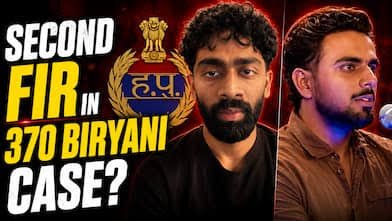

NCW STEPS IN as Gurugram police file case against Pranit More, Himanshu Jangra after viral ‘370 Biryani’ joke – Full details
The controversy involving comedian Pranit More and Himanshu Jangra has intensified after Gurugram Police registered a case following intervention by the National Commission for Women (NCW).
The issue began after a clip from Pranit More’s stand-up comedy show went viral on social media. During an interaction with the audience, Himanshu Jangra made remarks about spending ₹370 on chicken biryani during a date and suggested that spending money should lead to expectations of intimacy. The comments triggered widespread criticism, with many social media users calling them insensitive and harmful to conversations around consent.
Taking serious note of the matter, the NCW initiated action and filed a complaint with Gurugram Police, stating that such remarks undermine women’s dignity and promote problematic attitudes towards consent and relationships.
Following the complaint, Gurugram Police registered an FIR at DLF Phase-2 Police Station under relevant sections of the Bharatiya Nyaya Sanhita (BNS) and the Information Technology Act. Authorities have reportedly issued notices to Pranit More and Himanshu Jangra, asking them to cooperate with the ongoing investigation.
Police have also sought the removal of the viral content from social media platforms to limit its further circulation.
This is not the first legal action connected to the controversy. Maharashtra Cyber Police had earlier registered a separate FIR against Pranit More, Himanshu Jangra and others over allegedly objectionable online content.
Both individuals later responded publicly. Himanshu Jangra said parts of the story were exaggerated for entertainment purposes, while Pranit More admitted he should have handled the situation differently during the performance.
Also Read This- Bharat Bhhagya Viddhaata Day 4 Kangana Film Drops Hard
The incident has once again sparked a nationwide debate over the limits of stand-up comedy, freedom of expression, creator responsibility and the importance of respecting consent in public discourse.


