
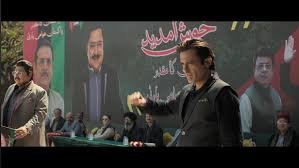

Pakistan PPP Leader Slams Ranveer Singh’s Dhurandhar Over Unlawful Use of Benazir Bhutto’s Images – Full Details
⭐ What Happened?
A senior leader and spokesperson of Pakistan’s People’s Party (PPP) has strongly criticised the makers of Dhurandhar, the Ranveer Singh–starrer spy-thriller, for allegedly using images of former Pakistan Prime Minister Benazir Bhutto without permission.
The leader called this an “unlawful” and “disrespectful” act and accused the film of misrepresenting PPP’s political history.
Why the Controversy Started
- The film features a sequence where images of Shaheed Mohtarma Benazir Bhutto appear during scenes connected to terrorism and political rallies.
- PPP leaders claim that this creates a false narrative that links the party or its leaders to extremist elements.
- According to their statement, PPP has historically fought against terrorism, and portraying them otherwise is a malicious distortion.
PPP’s Official Stand
The party spokesperson publicly stated that:
- The use of Bhutto’s images was done without consent.
- The depiction is misleading, damaging, and an attempt to malign the legacy of a leader who sacrificed her life battling extremism.
- The film “misrepresents facts” and “disrespects a national martyr.”
What Dhurandhar Is About
- Dhurandhar is a high-octane Indian thriller revolving around intelligence agencies, cross-border crime, and terror networks.
- Some scenes are set in Pakistan, portraying political environments and certain public events.
- These visuals sparked criticism from Pakistani viewers and PPP members for allegedly mischaracterising political entities.
Cross-Border Sensitivity
The controversy highlights:
- The delicate nature of using real political figures in fictional films.
- The importance of permissions and accurate context when portraying national leaders.
- How films involving India–Pakistan themes can easily become politically sensitive.
Additional Reactions
- Some Pakistani social media users supported PPP’s stand, demanding action against the filmmakers.
- A few Baloch leaders also claimed that the film misrepresents Baloch communities, calling the portrayal inaccurate and offensive.
- Meanwhile, Indian audiences are debating whether the film used these visuals purely for dramatic impact or stepped into unethical territory.


